CopenhagenNyhavn
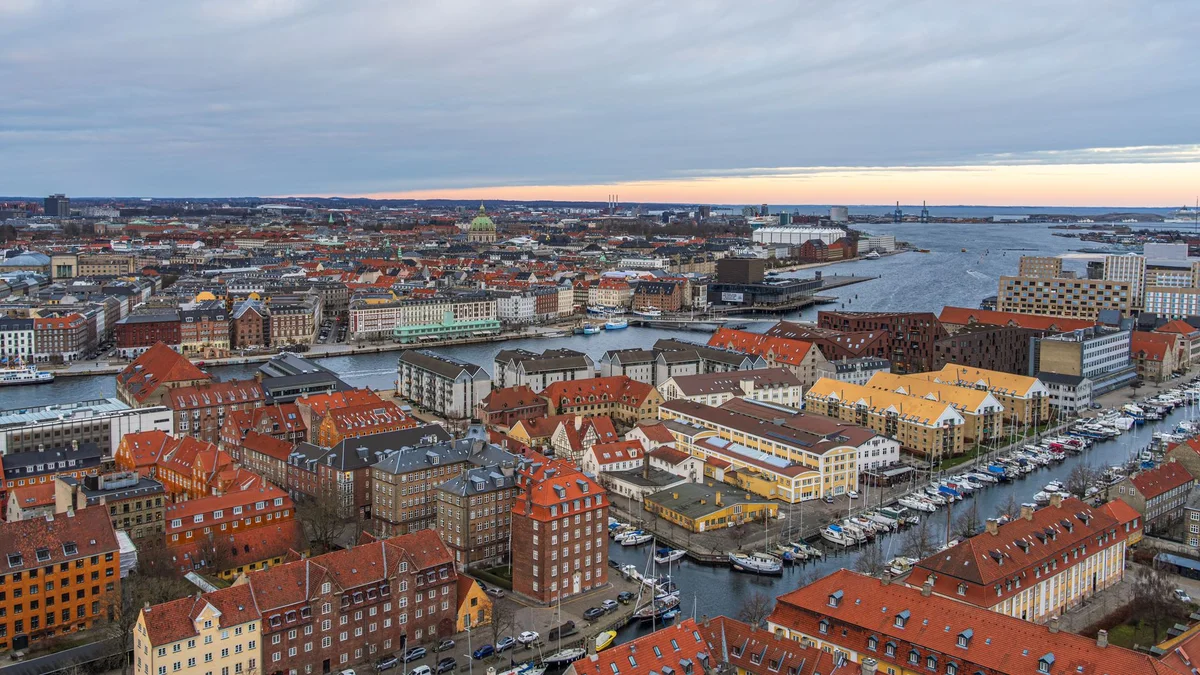
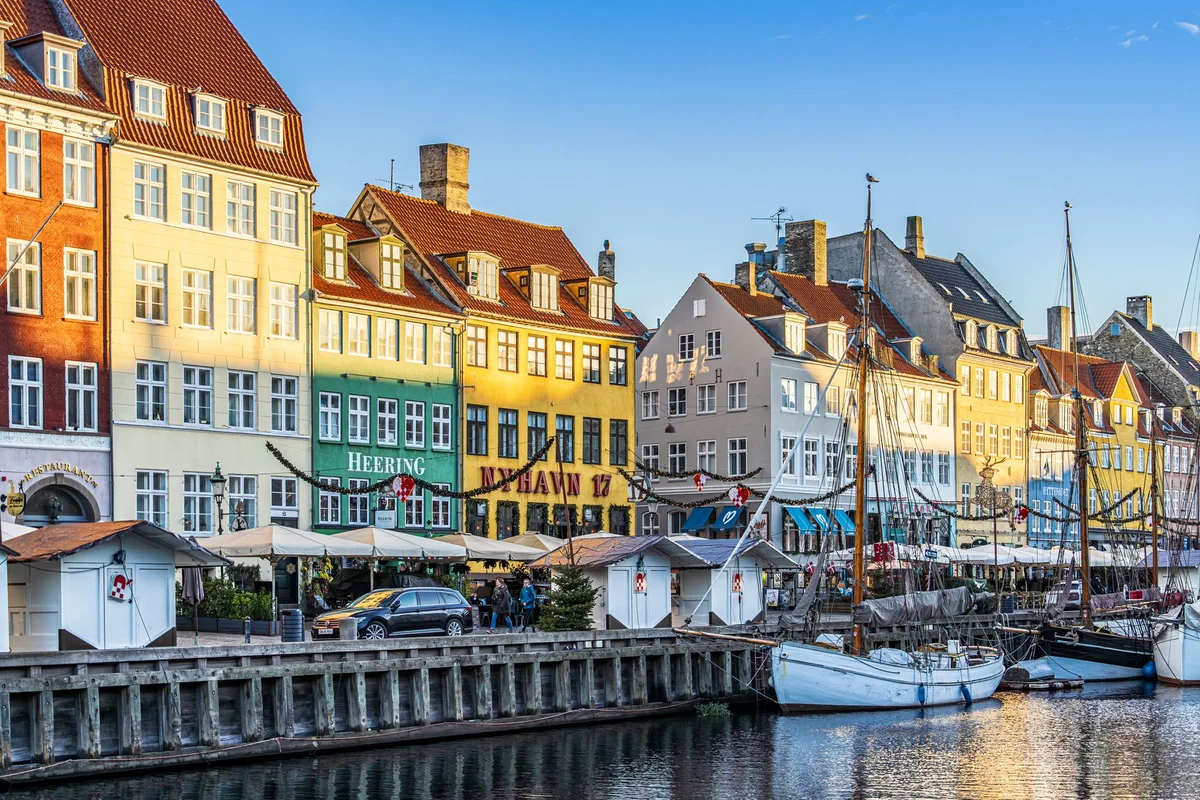
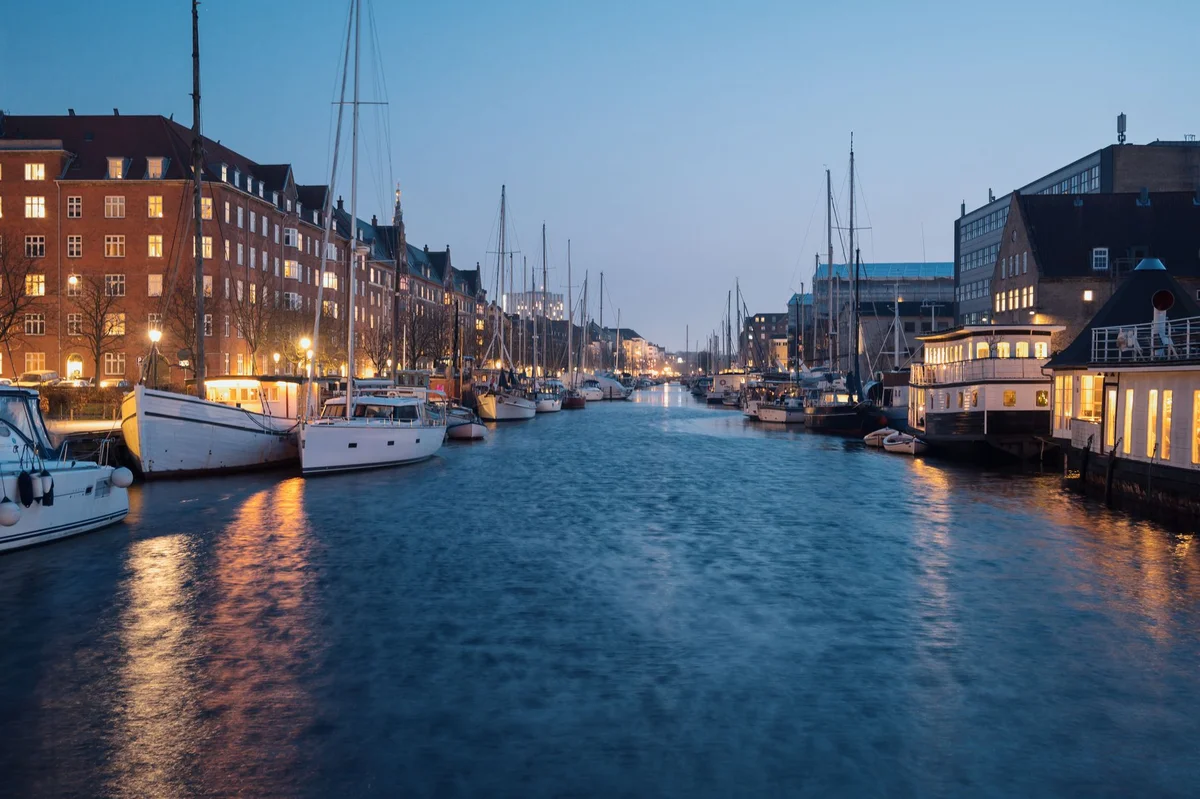
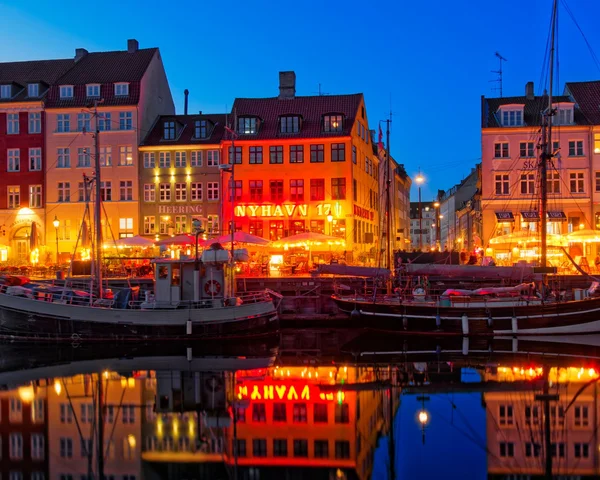
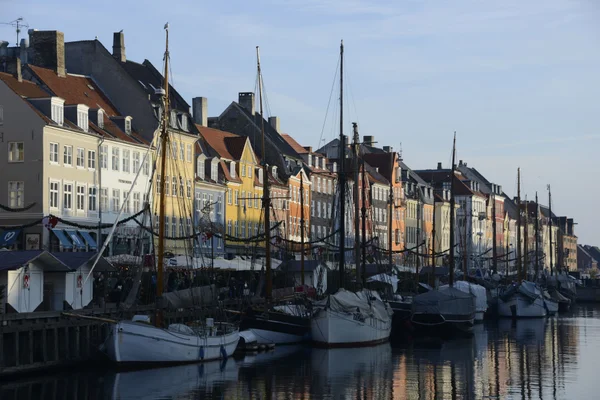
Nyhavn sits along a narrow harbor cut, lined with tall townhouses in painted brick and plaster. Wooden ships rest against the quay, and the water catches their masts in clean reflections. The mood is polished but lived in, with old sailor bars, terrace tables, and Copenhagen moving at an easy pace.
It began as a 17th century commercial port, built to bring ships close to Kongens Nytorv. Hans Christian Andersen lived here, and the canal still carries that mix of work, weather, and story. Visitors love the color and the human scale, but the real pleasure is how quickly the city feels familiar here.
At a glance
Quick activity facts
Vibe
heritage
Activity
historic waterfront
Peak Hours
Flexible
Best seasons
When to visit
Season timing helps you understand crowds, prices, and weather quality before planning your visit.
Peak Season
Busiest beach or beach-adjacent periods with higher hotel rates and larger crowds.
Shoulder Season
Good balance of pleasant weather, fewer crowds, and better value.
Off Season
Quieter and often cheaper, but rain and storms can affect beach and outdoor plans.
Copenhagen basics
Useful info before you go
These destination basics help you understand the local language, money, and time zone while planning your visit.
Language
Vietnamese
English Level
Moderate
Reliable in tourist zones
Currency
Vietnamese Dong
VND
Exchange Rate
1 USD ≈ 25,000 VND
Time Zone
ICT
UTC +07:00
Nearby
Nearby things to do
🍹Ruby
nightlife
Ruby sits inside an old Nybrogade townhouse, close to Copenhagen’s black canal water. The rooms feel private, with low light, polished wood, and a residential calm. As night deepens, the bar shifts into a precise, social hum.
The draw is the cocktail program, built with discipline instead of theatre. Drinks are clean, inventive, and served by staff who read the room well. It feels like Copenhagen after dark at its most composed and alive.
🍽️Noma
restaurant
☕Conditori La Glace
cafe
Itineraries
Featured in itineraries
More about Copenhagen
Plan the rest of your trip
Similar Vibe
Similar Cities Worth Exploring

Tokyo

Xi-An

Guangzhou